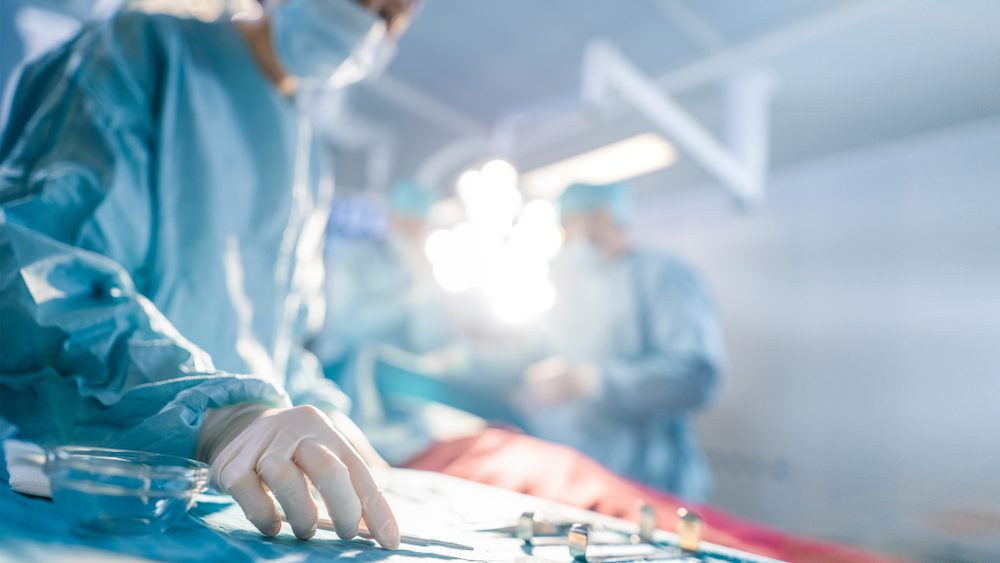
AZD8601 is a strand of synthetic messenger RNA encoding VEGF-A, a growth factor that stimulates the formation of new blood vessels. Injected directly into damaged heart muscle during open-heart surgery, it instructs the heart's own cells to produce VEGF-A for roughly 24 to 48 hours, long enough to trigger angiogenesis, the growth of new capillaries into scarred tissue.
The Phase 2a trial enrolled 24 patients who needed coronary artery bypass grafting after a heart attack. Half received AZD8601 injected into the damaged myocardium during surgery; half received placebo. At three months, echocardiography showed improved left-ventricular ejection fraction in the treated group compared with placebo, with no serious adverse events linked to the agent. The trial was small. The effect was real.
The platform matters as much as the result. Ordinary mRNA is destroyed by the immune system before it can be translated into protein; AZD8601 uses the same chemically modified bases pioneered for the COVID-19 vaccines to survive long enough to work. Where a small molecule would circulate through the whole body and gene therapy would make a permanent change, modified mRNA instructs specific cells to make one protein for a defined window, then disappears, a profile well suited to triggering a transient healing cascade.
The honest limitation is scale. An ejection-fraction improvement at three months in twelve treated patients is a signal, not a proof; the trial was built to establish safety and detect early biological activity, not to show that patients live longer or suffer fewer cardiac events. That requires a Phase 3 trial with hundreds of patients and years of follow-up.
AstraZeneca and Moderna are advancing the drug toward a larger Phase 2b study. The current delivery route limits it to patients already undergoing cardiac surgery; the longer-term goal is catheter-based delivery for heart-attack survivors who never reach an operating table. And if modified mRNA can tell the heart to grow new vessels, the same logic extends to any tissue that fails to heal, stroke-damaged brain, diabetic limbs, spinal cord. This drug is proof the instruction can be delivered; the field is now building the delivery system.